
HAT DAY: THE MAD HATTER’S DISEASE
Kevin Gorian
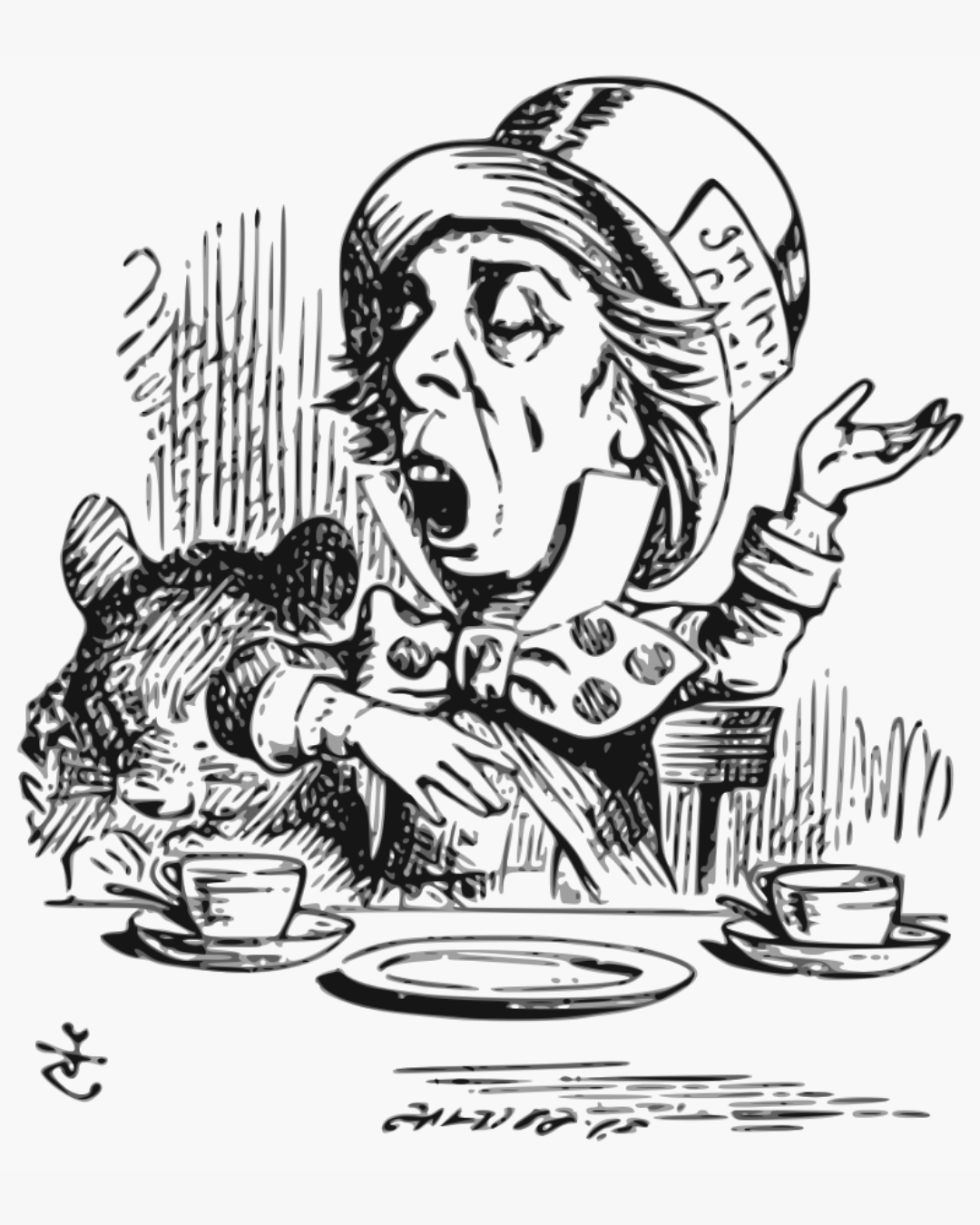
Illustrations by John Tenniel.

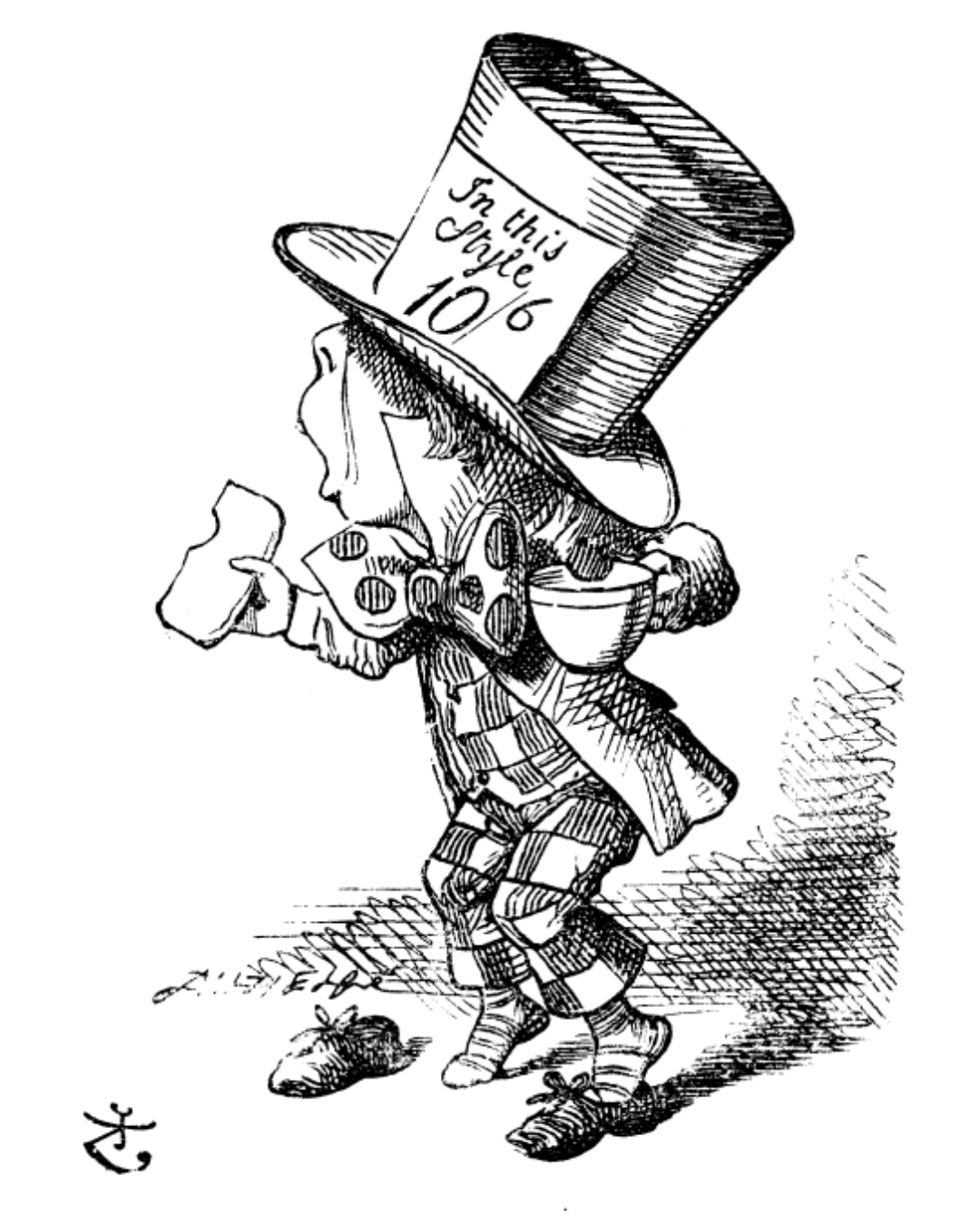
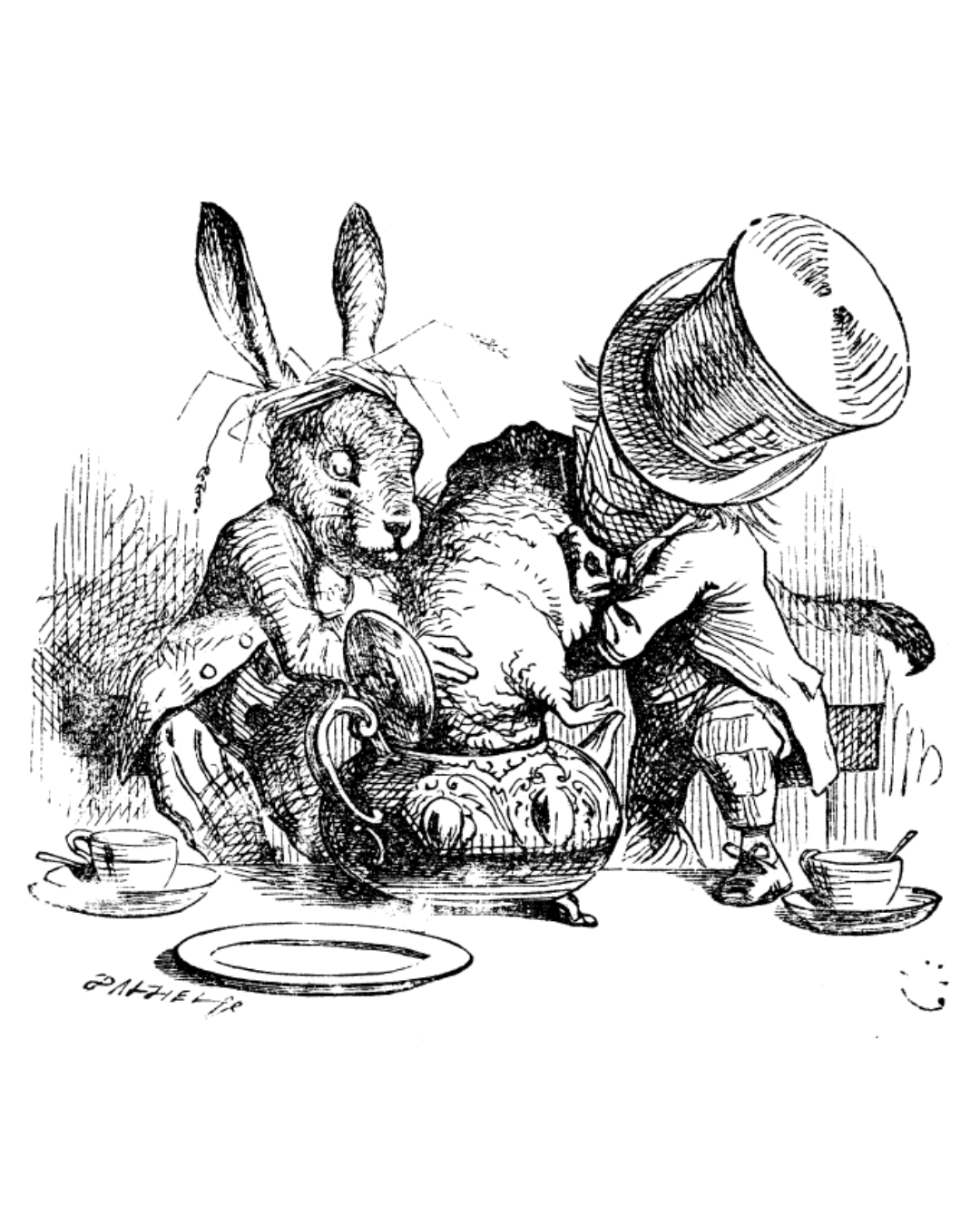
Chances are, you’ve at least heard of the Mad Hatter—a character from "Alice's Adventures in Wonderland" and "Through the Looking-Glass, and What Alice Found There" who has been brought to the big screen more than once. But beyond his whimsical portrayal in cinema, did you know that the phrase “mad as a hatter” has roots in real-life events? It’s not just a creation of Lewis Carroll, who supposedly based his character on furniture dealer Theophilus Carter, but a condition that plagued English artisans for about 300 years. On this Hat Day (yes, that’s a thing), let’s delve into the origin of this fascinating concept.
Our story begins between the 17th and 19th centuries, when wool and the fur of animals like rabbits, hares, or beavers were treated through a process called "felting" to create the ideal material for high-quality, long-lasting hats. The issue with this technique was that artisans had to soak their raw materials in mercuric nitrate—a chemical that, while effective at removing natural oils and loosening fibers for weaving, also released toxic vapors that workers inhaled over long periods in poorly ventilated workshops.
Over time, this mercury poisoning caused a range of symptoms in those exposed to the fumes: tremors, memory loss, irritability, confusion, anxiety, insomnia, muscle weakness, tooth loss, and cardiovascular issues. This led to the belief that hatmakers were "mad," when in reality, they were suffering from the effects of a lack of knowledge about the importance of protective equipment like masks and gloves.
Fortunately, by the mid-19th century, the link between these symptoms and the use of mercuric nitrate was identified. Most countries began banning its use in hat manufacturing, paving the way for much safer techniques.
Good for the artisans. Good for the industry. Hats off to progress!